

Emergency Preparedness
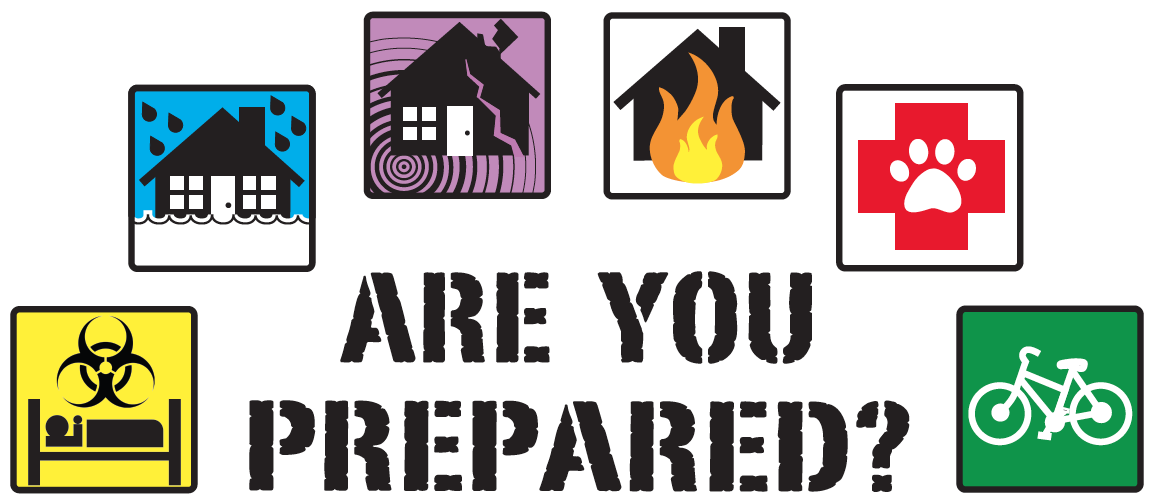
Emergency Preparedness:
Public health emergency preparedness (PHEP) is the ability of a healthcare system and community to prevent, protect against, quickly respond to, and recover from health emergencies. While traditional emergency management often focuses on physical infrastructure and immediate rescue, public health preparedness focuses on the human health impact of disasters.
These emergencies can range from natural disasters (floods, extreme heat) and disease outbreaks (pandemics, foodborne illness) to man-made threats like bioterrorism or large-scale cyber-attacks on medical infrastructure.
Core Components of preparedness:
To manage the above threats, public health agencies generally focus on four functional areas:
Risk Assessment and Planning: Developing comprehensive response plans for specific scenarios. This includes identifying vulnerable populations—such as those without transportation or individuals with access and functional needs—to ensure they aren't left behind during a crisis.
Surveillance and Epidemiology: Monitoring data to detect an outbreak or environmental hazard before it becomes a catastrophe. This is the "detective work" of public health.
Communication: Distributing clear, actionable information to the public and stakeholders. Effective communication prevents panic and ensures people know how to access resources like cooling centers or vaccines.
Training and Exercises: Conducting "tabletop exercises" or full-scale drills to test plans. These simulations allow officials to identify gaps in their electronic health records or communication chains before a real emergency occurs.
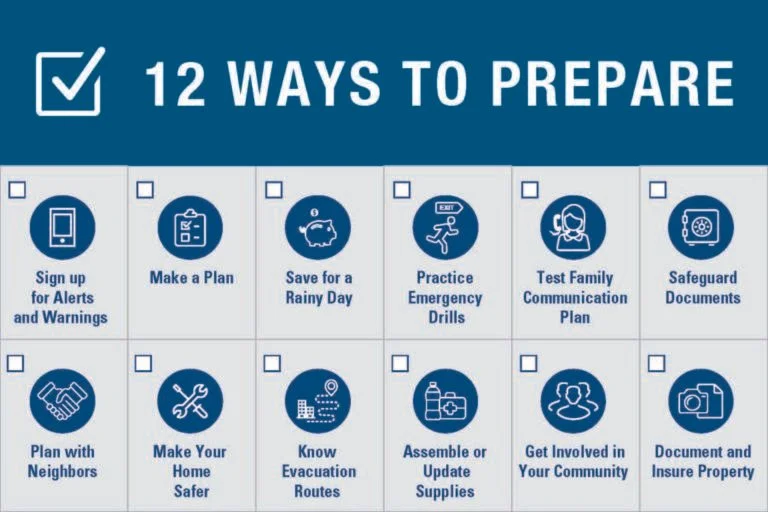
Visit ready.gov for ways to prepare for all hazards:
Emergency Notifications
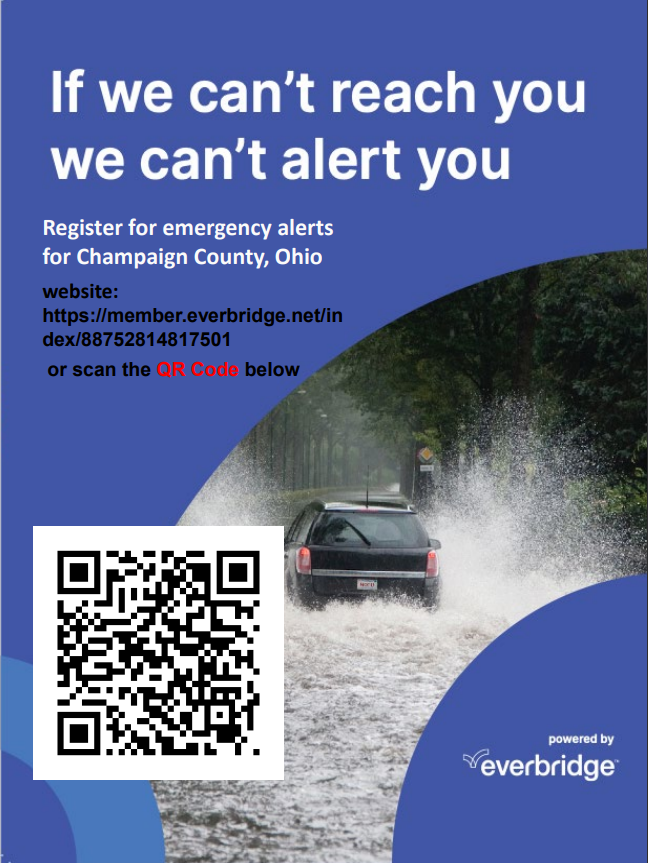
Please use the QR code or website above to sign up for alerts!
Champaign County has instituted an alerting platform, Everbridge. This system offers enhancing security, dependable performance and a unified solution for sending emergency messages. Everbridge is trusted by millions of users across more than 200 countries and territories and incorporates over 325 security controls. It delivers real-time alerts and instructions through multiple channels, including SMS, email, desktop notifications and voice calls.